

Discover how an event coordinator for blood donation makes a real difference by organizing well-planned donation drives, coordinating volunteers, and encouraging community participation. With the support of Life Saver Army and the efforts of a committed public awareness volunteer, these initiatives help spread awareness, inspire donors, and create a lasting life-saving impact through organized blood donation campaigns.
Table of Contents
Event Coordinator for Blood Donation
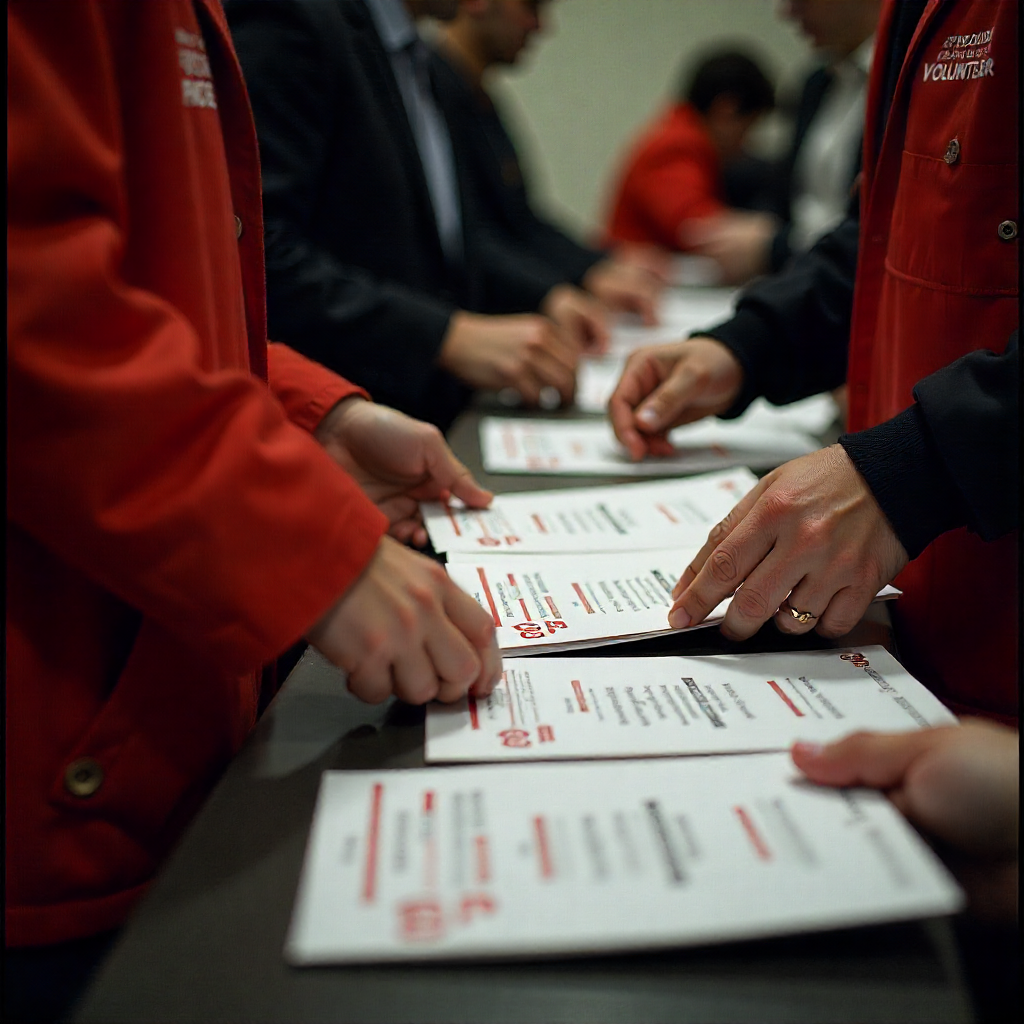
Coordinating a blood donation drive requires empathy, careful planning, and the ability to bring people together for a meaningful cause. This role involves working closely with donors, volunteers, and medical professionals to ensure every donation event runs smoothly and safely. From arranging schedules to guiding volunteers and assisting donors, the work focuses on creating an organized and welcoming environment where people feel comfortable giving blood.
Strong coordination helps prevent confusion on the day of the event and allows medical teams to focus fully on their responsibilities. Clear communication, thoughtful preparation, and attention to detail all contribute to a positive experience for everyone involved. With the support of Life Saver Army, organizers can connect quickly with people in need, respond to urgent blood requirements, and extend the reach of each donation drive. These efforts strengthen community participation and help save more lives through well-managed blood donation initiatives.
Understanding the Role of a Public Awareness Volunteer
Volunteers who focus on community outreach play an essential role in helping people understand why donating blood matters. Their efforts are centered on building awareness, encouraging first-time and repeat donors, and explaining the process in a simple and reassuring way. By answering questions and clearing common doubts, they help reduce fear and hesitation around donation.
These individuals also support activities before and during donation drives by guiding participants, assisting with coordination, and keeping the environment positive and welcoming. With the support of Life Saver Army, outreach volunteers can reach a wider audience, respond to urgent needs more effectively, and inspire communities to come together for a life-saving cause. Their involvement strengthens donation efforts and helps ensure a steady flow of willing donors.
Pro Tips
1. Plan Early and Set Clear Goals
Begin planning well in advance and define clear objectives, as an event coordinator for blood donation must manage multiple moving parts at once. Decide how many donors you aim to reach, assign clear volunteer roles, and confirm all medical arrangements ahead of time.
2. Build a Reliable Volunteer Team
Recruit committed volunteers who are willing to support outreach, registrations, and on-site management. A motivated team creates a positive environment and encourages donor participation.
3. Coordinate With Medical Staff
Ensure trained medical professionals are available for health checks and blood collection. Their presence builds donor confidence and maintains safety standards throughout the event.
4. Use Digital Outreach Channels
Share event details through community groups and donor networks to increase visibility. Consistent messaging helps reach people who are already interested in donating.
5. Educate and Inspire Donors
Provide simple information about how blood donation saves lives. A public awareness volunteer can explain eligibility, address fears, and encourage first-time donors.
6. Create a Comfortable Donor Experience
Arrange seating, refreshments, and clear guidance at the venue. A smooth and comfortable experience increases the chances of repeat donations.
7. Communicate Clearly and Regularly
Send reminders, updates, and follow-up messages to donors and volunteers. Clear communication builds trust and improves coordination.
8. Be Ready for Challenges
Unexpected issues may arise, such as low turnout or delays. Stay calm, adjust plans quickly, and guide your team toward solutions.
9. Appreciate Every Contribution
Recognize donors and volunteers with simple thank-you messages or public appreciation. Feeling valued encourages continued involvement.
10. Review and Improve
After the event, review outcomes with your team. Identify what worked well and areas for improvement to make future events even better.
FAQs
1. What qualities make a successful event coordinator for blood donation?
A successful coordinator stays organized, communicates clearly, and motivates others. They balance logistics with people management while ensuring donors feel respected. Leadership, patience, and problem-solving skills are essential.
2. How can someone become a blood donation volunteer?
Anyone interested can register through recognized blood donation networks or local organizations. A public awareness volunteer typically receives guidance on donor support, event responsibilities, and safety practices.
3. Why is public awareness important for blood donation drives?
Public awareness helps people understand the ongoing need for blood donations. It reduces fear, corrects misinformation, and encourages more donors to participate regularly.
4. How do digital systems improve blood donation events?
Digital systems allow faster communication and better coordination. They help organizers reach donors quickly, manage volunteers efficiently, and respond to urgent needs.
5. What should I do if turnout is low at an event?
Engage directly with people nearby, increase outreach efforts, and remind the community about the importance of donating. Encourage volunteers to speak with attendees and spread the message actively.
Conclusion
Being an event coordinator for blood donation is both demanding and highly rewarding. The role requires patience, organization, and the ability to inspire and lead a team effectively. With careful planning, strong leadership, and the dedicated support of committed public awareness volunteer, you can design and execute events that genuinely save lives. Every detail matters, from scheduling donors and coordinating volunteers to ensuring safety and comfort at the donation site.
