

Learn how to coordinate donation events that help save lives while you support blood drive activities with effective planning, community engagement, and tips from the blood donor connection network at LifeSaver Army, a trusted way to link volunteers with those in need of blood donations. Discover actionable strategies to attract more donors and create safe, organized donation drives. Maximize your community impact and make every blood donation count with proven tips and guidance.
Table of Contents
How to coordinate donation events Successfully to Save Lives
Organizing meaningful community programs requires careful planning, empathy, and dedication. Successfully running a donation or charity event involves understanding the needs of both the recipients and the volunteers, coordinating logistics, and ensuring that every participant feels valued.
These events play a vital role in supporting healthcare providers and families who rely on timely assistance. From arranging venues and managing schedules to providing clear communication and safety measures, attention to detail is essential for creating a smooth and impactful experience for everyone involved.
Community-focused organizations, Life Saver Army, serve as an important bridge between volunteers and those in urgent need, making sure that every effort counts. By fostering collaboration among donors, volunteers, and healthcare professionals, these programs not only meet immediate needs but also strengthen connections within the community.
Beyond just the practical aspects, these events inspire a sense of purpose and belonging, showing participants that their time and contributions can have a real, lasting effect on the lives of others. Effective planning, thoughtful organization, and consistent support ensure that these community programs leave a meaningful, positive impact.
Ways You Can support blood drive activities in Your Community
Getting involved in community donation programs is more than just lending a hand, it is about contributing to a larger mission of helping those in urgent need. Every act of participation, whether it’s volunteering, coordinating, or simply spreading awareness, plays a crucial role in ensuring that resources reach the people who rely on them. By actively engaging in these initiatives, individuals not only make a tangible difference but also inspire others to take part, creating a ripple effect of support and goodwill throughout the community.
Beyond immediate assistance, these programs help educate the public about the importance of regular contributions and civic involvement. Sharing knowledge, organizing events, and encouraging others to participate strengthens community bonds and builds a culture of empathy and responsibility. Each effort, no matter how small, reinforces the idea that collective action can address critical needs and save lives, while also fostering a sense of purpose and fulfillment for everyone involved.
Pro Tips
- Connect Early With Local Health Partners
Reach out to hospitals, clinics, or local health departments before you coordinate donation events to secure medical support and equipment needed for safe blood donation. Early coordination ensures smoother logistics. - Use LifeSaver Army to Rally Donors
Promote your agenda through the LifeSaver Army platform to help people who want to give blood find your events and volunteer opportunities, making it easier to support blood drive activities. - Select Convenient Venues and Times
Choose a location and schedule that is accessible and comfortable for a wide range of participants. When attendees feel respected and at ease, they are more likely to take part and have a positive experience, which contributes to the overall success of the event. - Develop Clear Messaging
Prepare and share clear informational materials about the purpose and importance of your event. Using visuals, simple instructions, and engaging language helps participants understand their role and encourages active involvement. - Train Your Volunteer Crew
Ensure that every volunteer knows their responsibilities and feels confident in their tasks. Proper training reduces confusion, improves efficiency, and helps create a safe and organized environment for everyone. - Promote Through Social Channels
Use social media, community boards, and local networks to spread the word about your event. Frequent updates and engaging content keep participants informed and excited to join. - Incorporate Comfort Zones
Provide refreshments, seating, and rest areas to make participants feel welcomed and cared for. Small comforts go a long way in keeping people comfortable and motivated to stay involved. - Honor Every Participant
Show appreciation to everyone who contributes to the event. Recognition, whether through thank-you notes or verbal acknowledgment, boosts morale and encourages continued participation in future activities. - Collect Feedback for Improvement
Ask attendees and volunteers for feedback about what worked well and what could be improved. Using this information helps refine future events and ensures a better experience for everyone. - Track Results and Celebrate Achievements
Keep records of participation and the outcomes of your event. Sharing accomplishments not only highlights the impact of the effort but also motivates volunteers and participants to continue contributing in the future.
FAQs
1. What steps are essential when you want to coordinate donation events?
First, identify a clear goal and target audience. Reach out to community partners LifeSaver Army for donor outreach. Plan logistics including location and staffing, promote widely, and thank donors after the event so future work is stronger.
2. How can volunteers prepare to support blood drive activities safely?
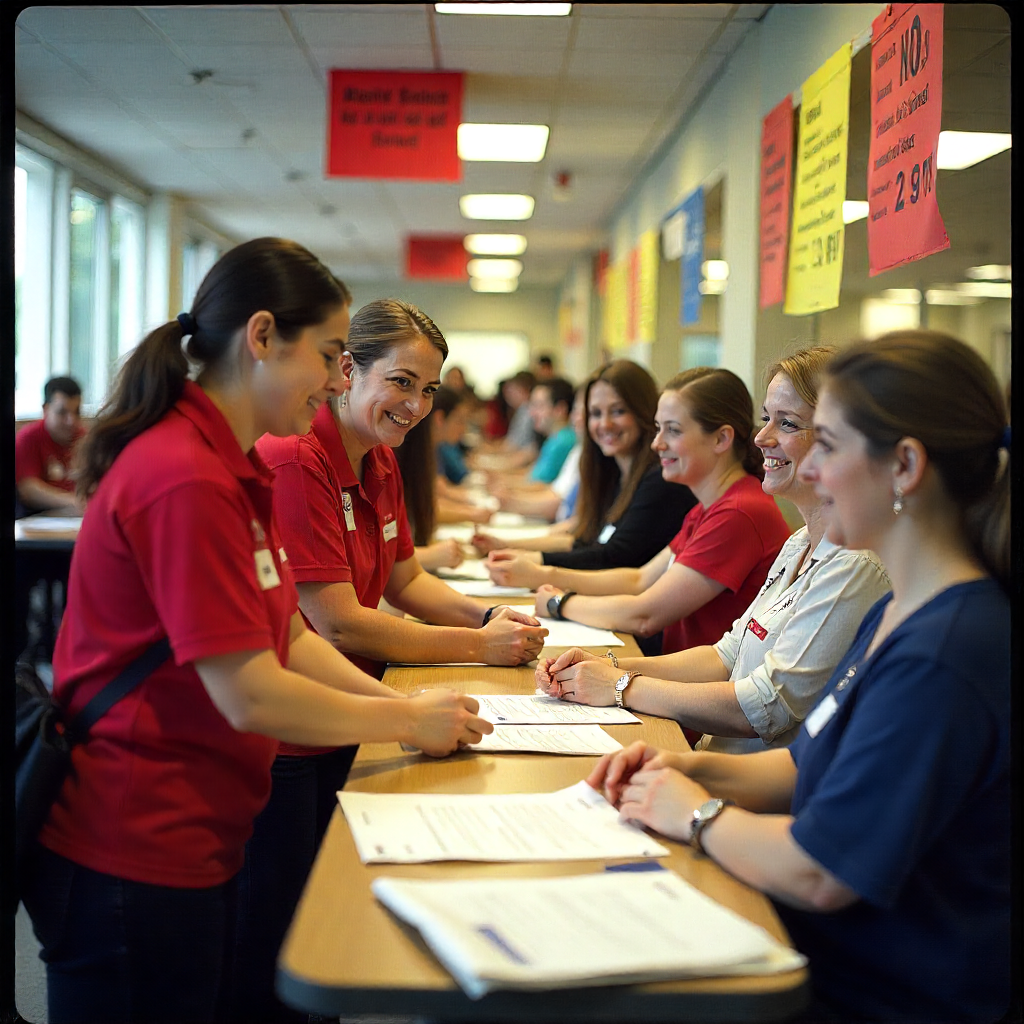
Volunteers should learn basic tasks such as greeting donors, managing paperwork, and helping with crowd flow. They must follow any health guidelines set by officials and ensure donation sites stay clean and organized.
3. What is a good way to recruit more people to donate blood?
Share the story of why blood donation matters with your network. Use social platforms, community groups, and local media to encourage people to join your drive and make a real difference.
4. When should I start organizing a community blood donation drive?
You should begin several weeks before your planned date. Early outreach gives time to secure permits, confirm volunteers, and build donor interest so your event runs smoothly.
5. What makes a blood donation event memorable for participants?
Friendly volunteers, clear communication, and a comfortable environment help donors feel valued. Recognition certificates or small thank-you tokens can make participants proud to contribute.
Conclusion
Learning how to coordinate donation events and helping others support blood drive activities is a rewarding journey that saves lives and strengthens your community. With thoughtful preparation, meaningful partnerships through LifeSaver Army, and ongoing encouragement for donors, your efforts can have a lasting and positive impact. By applying these tips and strategies, you can lead successful events that bring people together in service of something vital and life changing.
