

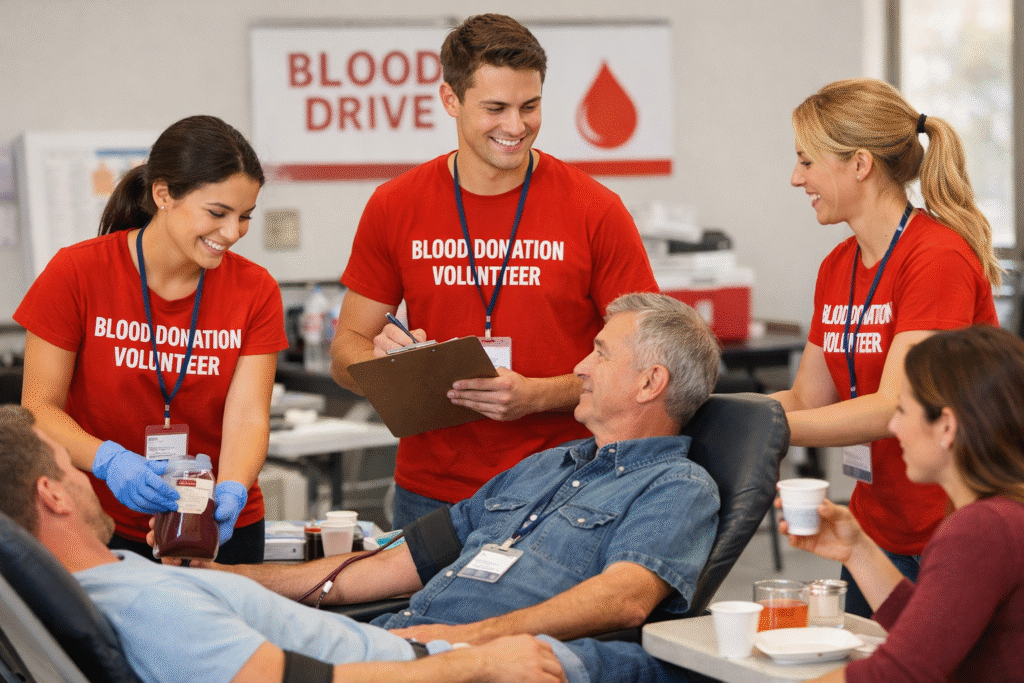
Becoming a blood donation volunteer often feels deeply meaningful. At the same time, this responsibility comes with emotional, mental, and logistical challenges that many people don’t immediately see, especially for those working closely as a community health volunteer to support coordination and awareness.
From handling urgent requests to ensuring information is accurate, volunteers must balance compassion with calm decision-making. Organized by Life Saver Army helps structure these efforts so volunteers can contribute effectively without unnecessary pressure.
Table of Contents
Why Becoming a Blood Donation Volunteer Matters Today?
Helping during medical emergencies goes beyond hospital walls. Many life-saving situations depend on timely coordination between donors, patients, and healthcare providers. Individuals who step forward to help play an important role in closing this gap by supporting communication, spreading awareness, and keeping efforts organized.
In urgent situations, even small delays can put lives at risk. Supporters help reduce these delays by directing willing donors toward verified needs and sharing accurate, up-to-date information. Organized digital systems are often used to manage requests in one place, making it easier to respond responsibly. This structured approach helps ensure assistance reaches patients faster while reducing confusion during high-pressure moments.
The Role of a Community Health Volunteer in Blood Donation Awareness.
The role focuses on education and building trust within the community. Many people hesitate to donate due to fear, misconceptions, or limited understanding. Supporters help address these concerns by clearly explaining eligibility, safety measures, and the donation process in simple, approachable language.
By staying informed and offering accurate guidance, they reduce uncertainty and help people make confident decisions. This role is not about pressure or influence, but about awareness and reassurance. Over time, consistent efforts strengthen public confidence in donation systems and encourage greater participation when emergencies arise.
Pro Tips
- Learn how blood donation systems work
Knowing how requests are raised, verified, and fulfilled helps you guide others responsibly. When you understand the system, you can share correct information and prevent misunderstandings during critical moments. - Communicate clearly and calmly
People may feel nervous or unsure about donating. Speaking clearly, patiently, and without urgency helps them feel more comfortable and allows them to make informed decisions without pressure.
- Keep information simple and verified
In urgent situations, unverified details can cause confusion. Always share confirmed information in simple language so others can understand and act without hesitation or doubt. - Respect personal boundaries
Everyone has personal, medical, or emotional reasons that affect their decision. Respecting boundaries builds trust and ensures that participation remains ethical and voluntary. - Focus on coordination, not urgency alone
While emergencies feel urgent, effective coordination ensures help reaches the right place. As a blood donation volunteer, your role is to support clear communication rather than create panic. - Understand basic safety guidelines
Familiarity with common safety rules allows you to answer basic questions confidently. This reassures others and reduces fear caused by misinformation or uncertainty. - Manage your availability realistically
Overcommitting can lead to stress or burnout. Set realistic limits so you can stay consistent and reliable over time without feeling overwhelmed. - Work with organized volunteer networks
Being part of a structured network, including Life Saver Army, helps expand awareness and ensures information is shared responsibly within local groups. - Learn from past situations
Reflecting on what worked and what didn’t helps you respond more effectively in future situations. Small improvements over time lead to better coordination and confidence. - Stay consistent and dependable
Showing up consistently, even in small ways, builds credibility within the community health volunteer. People are more likely to rely on someone who is steady and dependable during critical times.
FAQs
What does a blood donation volunteer usually help with?
They assist in connecting donors with people who need blood. They help share accurate information during urgent situations. They may support coordination for donation drives or requests. Their role focuses on communication and organization.
Is medical training required to volunteer?
Medical training is not mandatory for this role. Basic awareness and responsibility are important. Volunteers mainly focus on coordination and information sharing. Experience improves with continued involvement.
How flexible is the volunteering role?
Volunteering can be adjusted to personal availability. Some help only during emergencies. Others focus on awareness and communication. Flexibility allows more people to contribute.
How does this role help local communities?
It improves response time during emergencies. It reduces confusion and misinformation. A community health volunteer helps strengthen local awareness. This support leads to better preparation.
How can someone begin volunteering responsibly?
Start by understanding how requests are verified. Follow clear communication practices. Avoid sharing unconfirmed information. Stay connected with organized platforms.
Conclusion
Volunteering in blood donation support requires patience, responsibility, and emotional awareness. It is not just about urgency, but about helping people connect in a calm and organized way during critical moments.
Becoming a blood donation volunteer allows individuals to contribute meaningfully, while collaboration with structured systems Life Saver Army ensures efforts remain reliable and effective. When supported by informed community health volunteers, this balanced approach creates stronger, more responsive communities and better outcomes for those in need.
