

Learn how volunteer impact blood donation strengthens emergency response systems, supports patients in urgent need, and builds healthier, more resilient communities through awareness, compassionate action, and timely blood donor sign-up help that turns concern into lifesaving support. This collective effort ensures that no patient is left waiting during critical moments, as volunteers guide donors with care, clarity, and encouragement.
Table of Contents
Volunteer Impact Blood Donation in Everyday Life-Saving Efforts
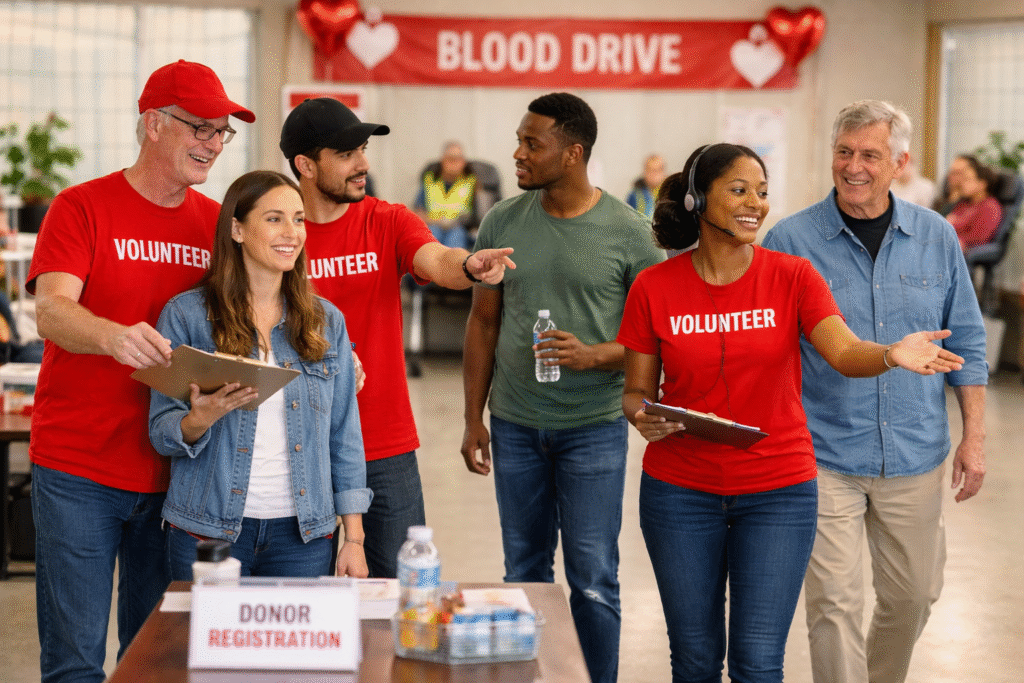
Blood donation plays a vital role in keeping communities safe and prepared for emergencies. Every donation helps hospitals maintain adequate supplies for patients facing surgeries, accidents, or medical treatments, ensuring that life-saving blood is available when it is needed the most. Volunteers and staff work together to create a smooth and welcoming experience, making it easier for donors to contribute without stress or confusion.
Beyond the immediate medical impact, these efforts strengthen community bonds. People come together to support one another, share awareness, and build a culture of care and responsibility. The guidance and encouragement provided during donation drives help foster trust, making more people willing to participate and create a consistent, lifesaving supply for those in need.
Life Saver Army brings volunteers and donors together to save lives and strengthen communities through compassionate action.
Blood Donor Sign-Up Help That Connects People to Purpose
Making it easy for people to register as blood donors is an important part of saving lives. When the sign-up process is simple and well-organized, potential donors feel more confident and motivated to take action. Clear instructions, friendly guidance, and a supportive environment help remove any hesitation or confusion, turning willingness into real participation.
This kind of assistance also builds a sense of purpose and community. People feel valued and appreciated for their contribution, knowing that their efforts directly impact patients in need. By guiding donors through each step, volunteers and organizers help create a reliable network of individuals ready to give, ensuring that help is always available when emergencies arise.
Life Saver Army brings volunteers and donors together to save lives and strengthen communities through compassionate action.
Pro Tips
Learn when blood demand is highest
Understanding peak shortage periods allows you to focus your volunteer efforts when they are most needed. Hospitals often experience higher demand during holidays, natural disasters, or health crises. By knowing these patterns, you can help organize drives and encourage donors at the right time, maximizing the impact of every donation.
Peak in a calm and friendly manner
A gentle, reassuring tone goes a long way in helping donors feel comfortable. Nervous or first-time donors may be nervous, and your calm demeanor can ease their fear. Simple, friendly conversation makes the experience more welcoming and encourages donors to complete the process without hesitation.
Be patient with first-time donors
Some people need extra guidance or reassurance before giving blood. Take the time to answer their questions, explain what to expect, and provide moral support throughout the process. Patience helps build trust and makes new donors more likely to return in the future.
Explain the donation process step by step
Clarity reduces confusion and anxiety. Walk donors through each stage, from registration to recovery, so they know what to expect. Step-by-step guidance helps create a sense of control, making the experience feel safe, simple, and approachable for everyone.
Share real examples of volunteer impact blood donation
Stories of real-life patients or successful donation drives create a powerful connection. Showing how volunteer efforts and donor contributions save lives motivates others to participate. Authentic examples make the impact tangible, encouraging more people to take action.
Encourage donors to return regularly
One-time donations are helpful, but consistent contributions are essential to maintain a stable blood supply. Remind donors of the importance of regular participation, set up reminders, and celebrate their repeated contributions. This helps hospitals stay prepared for emergencies and builds a dependable donor community.
Offer clear blood donor sign-up help when needed
Many people are willing to donate but hesitate because they don’t understand the registration process. Offering clear, step-by-step sign-up help guides donors smoothly through the process, turning hesitation into action. Personalized assistance can make a huge difference in participation rates.
Work with local groups and communities
Collaborating with schools, workplaces, or local organizations helps make blood donation familiar and accessible. Community-driven events create a sense of belonging and comfort for donors, increasing participation while spreading awareness about the importance of giving blood.
Stay positive even if someone says no
Not everyone is ready to donate right away. Responding with kindness and encouragement rather than pressure leaves a lasting impression. People who initially decline may feel inspired to return later, so positivity helps build long-term relationships with donors.
Keep improving your communication skills
Every interaction with a donor is an opportunity to learn and improve. Practice active listening, adapt your explanations to different comfort levels, and stay approachable. Improving your communication skills ensures that donors feel supported, confident, and more likely to give again.
Frequently Asked Questions
1. How does volunteer impact blood donation help save lives?
Volunteers play a crucial role in connecting willing donors with patients who need blood urgently. They help coordinate schedules, manage donation drives, and ensure blood reaches hospitals on time. By reducing delays during emergencies and guiding donors efficiently, volunteers make the entire process smoother and faster.
2. Why are volunteers important in blood donation efforts?
Volunteers are the backbone of successful blood donation programs. They guide donors through every step, from registration to recovery, providing comfort and support. Volunteers also raise awareness in local communities, helping people understand the importance of donating regularly.
3. How can volunteers support nervous donors?
Nervous donors often need extra encouragement and guidance. Volunteers can support them by listening patiently to their concerns, answering questions in simple terms, and staying present during the donation process.
4. What qualities make a good blood donation volunteer?
A successful volunteer combines patience, empathy, and effective communication. They listen carefully, address donor concerns, and make each individual feel valued and safe. Reliability and consistency are important, as volunteers often work in teams to manage donation events efficiently.
5. How does blood donor sign-up help improve participation?
Simplifying the registration process encourages more people to take part in donation drives. It provides clear instructions, answers questions, and removes any confusion or hesitation. When donors feel guided and supported from the start, they are more likely to complete the process and return for future donations.
Conclusion
Communities become stronger when people step forward to help one another, and volunteer impact blood donation shows how simple actions create lasting change. Through awareness, guidance, and blood donor sign-up help, Life Saver Army volunteers transform concern into hope and ensure lifesaving support reaches those who need it most.
