

Discover how life saving volunteer work at Life Saver Army creates real impact while also demanding commitment, empathy, and responsibility. This in-depth guide explores meaningful ways to get involved, prepare yourself emotionally, and support blood donation through volunteering while contributing to a cause that truly saves lives through consistent, people-first action.
Table of Contents
Life saving volunteer work that truly changes lives
Volunteering is more than simply wanting to help. It is about stepping forward during moments of urgency and offering real support to people who are facing some of the hardest situations of their lives. When individuals give their time and energy with genuine care, they help create a bridge between those who are willing to help and those who desperately need it. This connection brings reassurance, comfort, and a sense of solidarity when hope can feel breakable.
Through consistent effort and empathy, volunteers become a source of strength for patients and their families. Every small action, whether sharing information, coordinating support, or offering encouragement, contributes to something much larger. These collective efforts remind communities that compassion still exists and that ordinary people can make an extraordinary difference when it truly matters.
This sense of purpose also stays with volunteers long after each effort is completed. Helping others builds awareness, responsibility, and a deeper understanding of how connected communities truly are. Over time, these experiences shape kinder individuals and stronger networks, proving that meaningful change often begins with a single decision to step up and care.
Support blood donation through volunteering at the community level
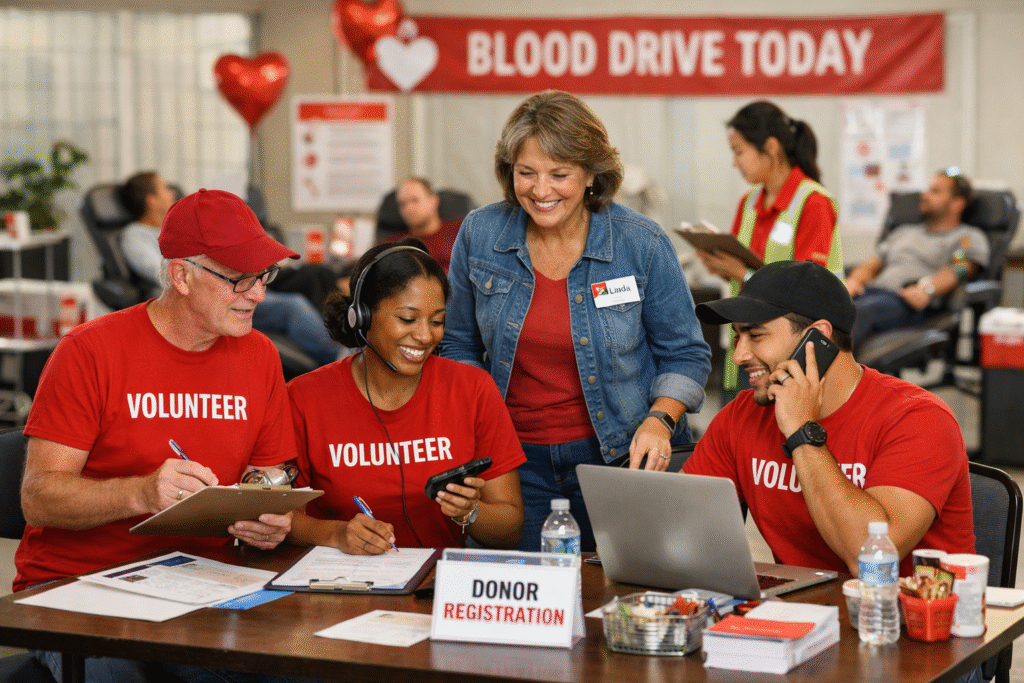
At the community level, meaningful support begins with people who are willing to take responsibility and act when others need help the most. By working closely with local neighborhoods, volunteers help ensure that timely assistance reaches patients and families during critical moments. The Life Saver Army plays a key role in bringing these efforts together, creating a trusted space where compassion, coordination, and quick action can save lives.
Through community involvement, awareness grows and more people are encouraged to step forward and help. Volunteers become the link between donors and those in need, helping information flow faster and reducing delays during emergencies. With the Life Saver Army guiding these efforts, communities grow stronger, more informed, and more prepared to respond when every second counts.
Pro Tips
- Start with clear motivation
To understand why you want to volunteer and what impact you hope to create. A strong personal reason keeps you consistent during challenging moments. - Learn the basics before stepping in
Take time to understand how blood donation support works. Knowing the process helps you guide others confidently and accurately. - Communicate with empathy
People seeking help are often under stress. Calm and respectful communication builds trust and reassures families during urgent situations. - Stay organized and responsive
Quick responses save time and sometimes lives. Keep notifications on and maintain updated contact details for smooth coordination. - Respect privacy and dignity
Handle personal information carefully. Ethical behavior strengthens the credibility of volunteers and the entire community. - Build teamwork skills
Effective volunteering depends on collaboration. Support fellow volunteers and coordinate efforts for faster and better outcomes. - Use life saving volunteer work as a long-term commitment
Treat volunteering as an ongoing responsibility rather than a one-time act. Consistency creates stronger networks and reliable support systems. - Educate others around you
Spread awareness about the importance of blood donation within your circle. Knowledge encourages more people to step forward. - Support blood donation through volunteering with local outreach
Help organize or assist local efforts that connect donors with patients. Grassroots involvement strengthens the overall mission. - Reflect and improve regularly
After each experience, think about what worked and what can improve. Growth makes you a more effective volunteer over time.
FAQs
1: How does life saving volunteer work impact real patients?
It helps connect donors with patients during emergencies. Volunteers reduce delays in finding compatible blood. This support eases stress for families in critical moments. Every action contributes directly to saving lives.
2: Do I need medical training to volunteer?
No medical degree is required to get involved. Basic guidance and clear communication are enough. Training resources are often provided to volunteers. Commitment matters more than technical expertise.
3: How much time should I dedicate weekly?
Time commitment can vary based on availability. Even small efforts can make a meaningful difference. Consistency is more valuable than long hours. Choose a schedule you can realistically maintain.
4: How can volunteers help during emergencies?
They assist by sharing accurate information quickly. Volunteers coordinate between donors and patients. Fast action helps prevent critical delays. Teamwork ensures smoother emergency responses.
5: Can volunteering also raise awareness?
Yes, awareness is a key part of the mission. Volunteers often educate others through conversations. This helps in support blood donation through volunteering naturally. Awareness leads to more donors and stronger networks.
Conclusion
Choosing the life saving volunteer work means choosing responsibility, compassion, and real-world impact. While it comes with challenges, the reward of knowing you played a role in saving a life is unmatched. By staying committed, informed, and empathetic, volunteers strengthen the mission of the Life Saver Army every day. If you are ready to stand for humanity and support blood donation through volunteering, now is the time to take that meaningful step forward.
