

Discover how the blood donation volunteer network works in real life, highlighting its real-world benefits, practical challenges, and everyday impact on patients and donors. Learn how structured volunteer efforts supported by Life Saver Army, along with blood donation volunteer training programs, strengthen awareness, improve coordination, and promote responsible community action that helps save lives during critical moments.
Table of Contents
Blood donation volunteer network
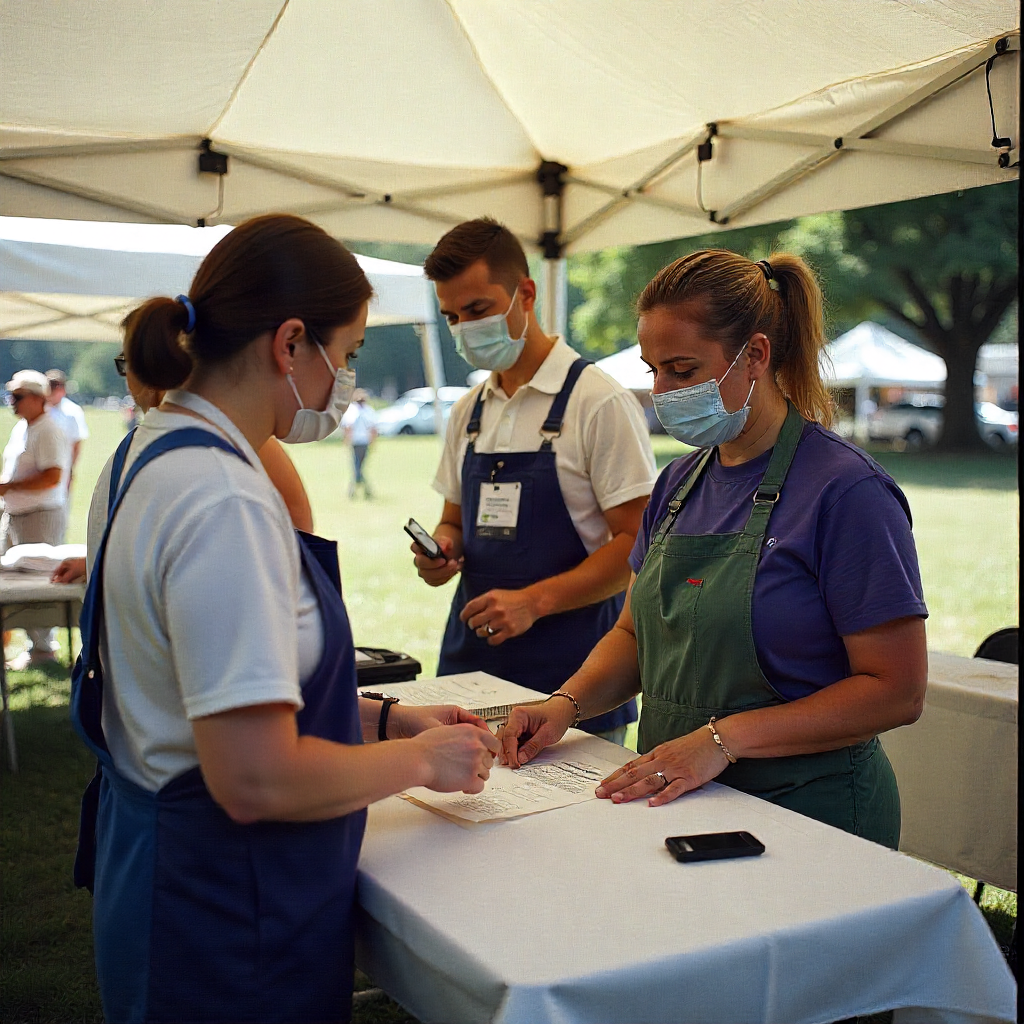
A strong volunteer-driven system is built on everyday people who step forward when lives are at risk. Life Saver Army brings these individuals together at the local level, allowing communities to respond quickly during accidents, surgeries, or sudden medical emergencies. By organizing volunteers within nearby areas, delays are reduced and support reaches those in need faster, even in high-pressure situations.
What truly strengthens this approach is structure and clarity. Volunteers follow an organized process that helps them share accurate information, confirm genuine requests, and communicate with care. This reduces confusion, builds trust with donors and families, and ensures help is delivered with calmness and respect rather than panic or disorder.
Blood donation volunteer training programs
Structured training programs play a key role in helping volunteers act responsibly and confidently during critical situations. Life Saver Army encourages learning that focuses on ethical behavior, basic emergency awareness, and clear communication, allowing volunteers to support families with calmness and respect during stressful moments.
This preparation also helps volunteers understand donor eligibility, personal boundaries, and the importance of protecting private information. When individuals know what to do and what not to do, the entire support system becomes more reliable, compassionate, and human-centered for everyone involved.
Pro Tips
1. Understand your role clearly
Every volunteer must know their limits and responsibilities within the blood donation volunteer network. Life Saver Army encourages volunteers to act as coordinators who connect people, share verified information, and guide communication.
2. Communicate calmly during emergencies
Effective communication is a skill strengthened through blood donation volunteer training programs. Calm, respectful language reassures anxious families and hesitant donors. Panic can spread quickly in emergencies, but steady communication saves time, reduces stress, and helps everyone focus on finding solutions instead of reacting emotionally.
3. Keep donor data private and updated
Protecting donor information is essential for trust. Volunteers must handle personal details with care and ensure records remain accurate. Updated information allows faster matching during urgent needs, while privacy protection encourages donors to stay connected and willing to help again.
4. Follow guidance from training sessions
Training prepares volunteers for real-life pressure situations. It helps them understand how to respond, what steps to follow, and when to pause or escalate. This guidance reduces mistakes, prevents misinformation, and ensures urgent support is not delayed by confusion or guesswork.
5. Verify requests before acting
The Life Saver Army emphasizes confirmation before mobilizing volunteers or donors. Verifying details prevents false alarms and unnecessary stress. This practice protects volunteer energy, donor goodwill, and ensures that real emergencies receive the attention they truly need.
6. Build local relationships with hospitals
Strong local connections make responses faster and smoother. When volunteers understand hospital procedures and points of contact, coordination improves. These relationships reduce delays, clarify requirements, and help volunteers act with confidence during urgent situations.
7. Support donors emotionally
Donors are giving more than blood, they are giving care. A kind message, respectful tone, or simple follow-up creates a human connection. Emotional support makes donors feel valued and increases the likelihood that they will step forward again in the future.
8. Avoid overpromising during crises
Honesty is critical during emergencies. Volunteers should never promise outcomes they cannot control. Clear updates, even when progress is slow, maintain credibility and prevent families from experiencing unnecessary disappointment or false hope.
9. Encourage peer learning among volunteers
Sharing experiences helps volunteers grow together. Peer learning builds confidence, spreads practical knowledge, and strengthens teamwork. This informal exchange complements structured learning and helps volunteers feel supported rather than isolated.
10. Stay consistent, not reactive
Consistency keeps the system strong. Regular engagement, updates, and communication ensure readiness even when there is no immediate crisis. Over time, consistent involvement turns volunteers into dependable community pillars rather than last-minute responders.
FAQs
1. How does a blood donation volunteer network help during emergencies?
It connects verified donors with urgent blood needs quickly. Volunteers coordinate communication without replacing medical staff. This reduces delays during critical situations. LifeSaverArmy focuses on speed with responsibility.
2. What motivates people to join volunteer groups?
Most volunteers are driven by empathy and community spirit. Helping strangers creates a sense of shared responsibility. The Life Saver Army supports this motivation with clear structure. Purpose keeps volunteers engaged long term.
3. Are volunteers medically trained?
Volunteers are not medical professionals. They receive guidance through blood donation volunteer training programs. Their role is coordination, not treatment. This keeps everyone safe and focused.
4. How is donor trust maintained?
Privacy and respectful communication are key. Volunteers follow clear ethical guidelines. Life Saver Army emphasizes consent and transparency. Trust ensures repeat participation.
5. Can students or working professionals volunteer?
Yes, flexible participation is encouraged. Time commitment varies based on availability. Training helps balance responsibility with daily life. Many volunteers contribute remotely as well.
Conclusion
A well-organized blood donation volunteer network saves lives by combining human compassion with clear and responsible structure. Support from Life Saver Army shows that community-led action works when guided with care, transparency, and accountability.
With the help of blood donation volunteer training programs, volunteers remain confident, ethical, and prepared to respond calmly, ensuring reliable support for donors and families during critical moments.
