

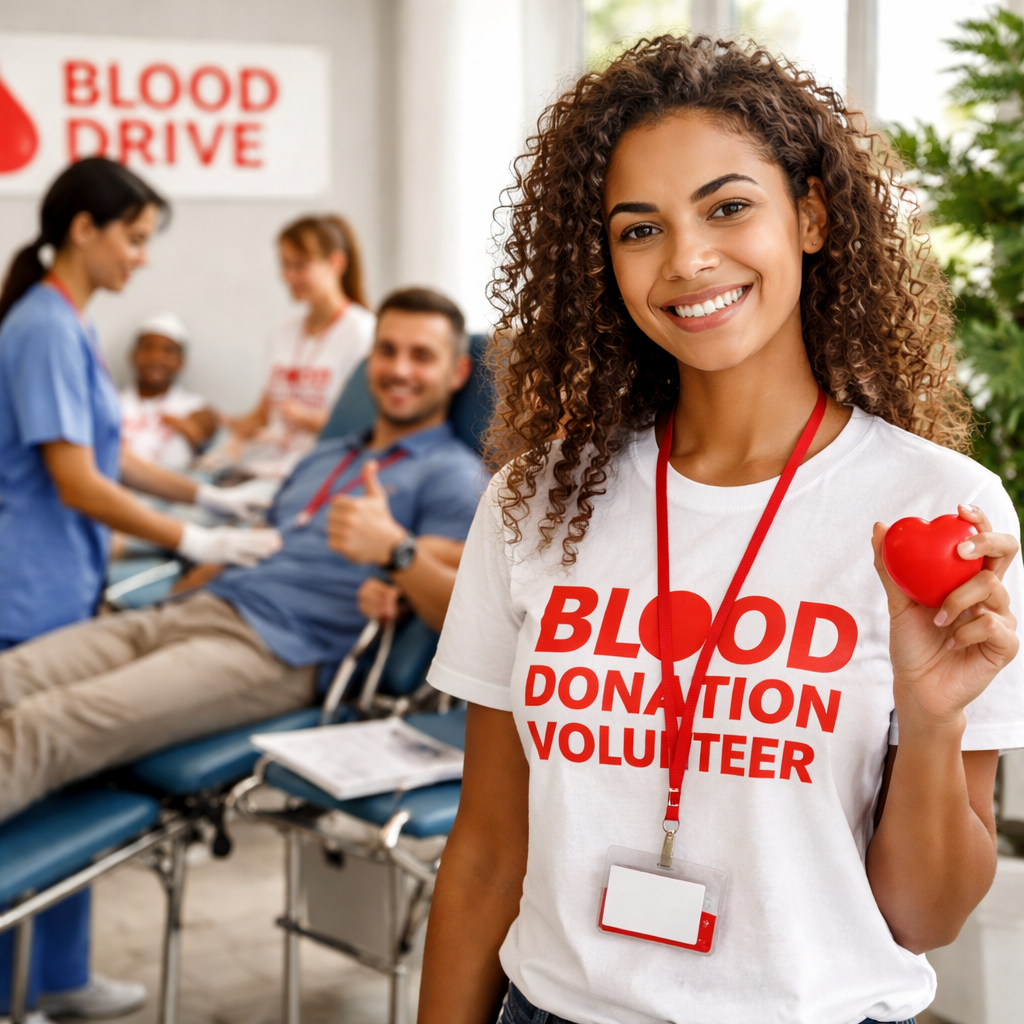
Becoming a blood donation volunteer can truly change lives by supporting patients during emergencies and planned treatments. This role helps connect willing donors with those who need blood at the right time. Many people worry about safety, time, or the donation process before getting involved.
Life saver Army works to remove these doubts through awareness, trust, and proper coordination. With clear blood donation volunteer registration guidance, participation becomes simple and stress free. This organized approach allows everyday people to step forward and help save lives with confidence.
Table of Contents
Why Becoming a blood donation volunteer Matters
Volunteering for blood donation plays a crucial role in supporting accident victims, patients preparing for major surgeries, and individuals managing long term or critical illnesses. In many situations, blood is required urgently, and having a dependable network of willing donors ensures that treatment is not delayed. This timely support helps medical teams focus on saving lives rather than searching for resources during critical moments.
Beyond the medical impact, volunteering strengthens the emotional and social fabric of the community. It encourages empathy, responsibility, and awareness about the needs of others. People who take part often feel a strong sense of purpose, knowing their small act can bring hope to families during difficult times. Over time, this collective effort builds trust, unity, and a culture of care where helping one another becomes a shared value rather than an exception.
Understanding blood donation volunteer registration
Life saver Army is designed to make the joining process clear, simple, and trustworthy so people feel confident from the very beginning. Transparency helps volunteers understand how the system works, what information is required, and how they may be contacted during urgent situations. This structured approach allows faster response times by organizing donor availability, blood groups, and nearby locations when help is urgently needed.
Steps Involved in the Joining Process
The process begins with sharing basic personal and contact details, followed by confirming general eligibility based on standard health guidelines. Volunteers are encouraged to stay reachable during emergencies, but their comfort and personal schedule are always respected. This well organized system improves coordination, reduces confusion, and ensures that support reaches patients quickly without placing unnecessary pressure on those who step forward to help.
Pro Tips
- Learn eligibility basics early
Take time to understand the basic age, weight, and health guidelines before stepping forward. This preparation removes uncertainty and helps you feel mentally ready. Knowing these details in advance also prevents last minute disappointment. Being informed builds confidence and encourages responsible participation. - Choose the right time to donate
Selecting the right moment makes a big difference in your experience as a blood donation volunteer. Try to donate when you are well rested, stress free, and properly hydrated. Avoid rushing or donating during physically exhausting days. Good timing helps ensure comfort and a smooth process. - Stay informed through Lifesaver Army
Keeping up with updates helps you understand when help is truly needed. Awareness allows you to see how real people benefit from timely support. It also helps you respond appropriately without feeling pressured. Staying informed about blood donation volunteer registration creates a stronger sense of purpose. - Communicate availability honestly
Clear and honest communication ensures coordinators contact you only when you are able to help. This prevents unnecessary stress or guilt. Sharing realistic availability supports better planning during emergencies. Transparency benefits both volunteers and those in need. - Eat light and stay hydrated
Having a light, balanced meal before donating helps maintain energy levels. Drinking enough water supports circulation and recovery. Avoid skipping meals or consuming heavy food beforehand. Proper preparation keeps the experience comfortable and safe. - Respect recovery time
Giving your body enough rest after donating is essential. Avoid intense physical activity immediately afterward. Proper recovery helps maintain long term health and readiness. Listening to your body ensures you can help again in the future. - Understand the registration process clearly
Knowing how the system works helps prevent confusion and builds trust. Clear understanding reduces hesitation when responding to urgent needs. It also helps volunteers feel secure and respected. Confidence grows when expectations are transparent. - Encourage others responsibly
Raising awareness should always be done with sensitivity and honesty. Share accurate information instead of pressure or fear. Respect personal choices and comfort levels. Responsible encouragement builds long lasting trust and participation. - Know your impact and responsibility
Your willingness to step forward supports faster medical response during emergencies. Even a single contribution can help multiple patients. Understanding this impact strengthens motivation. It reminds you that small actions can create meaningful change. - Stay connected with Lifesaver Army
Regular connection helps you stay aware of needs and updates. It keeps you engaged without overwhelming commitment. Staying connected also reinforces a sense of community and shared purpose. This involvement helps sustain long term life saving efforts.
FAQs
1. Who can become a blood donation volunteer?
This is usually a healthy adult meeting basic medical criteria. Eligibility focuses on safety for both donor and recipient. Life saver Army promotes informed participation. Volunteers always have the right to decline if unavailable.
2. Is the donation process safe for beginners?
Yes, when basic guidelines are followed, it is considered safe. Medical professionals supervise the process. Volunteers are encouraged to ask questions freely. Safety and comfort are always prioritized.
3. How does blood donation volunteer registration help emergencies?
This helps coordinators find suitable donors faster. It reduces delays during critical situations. Accurate details improve response efficiency. This structure saves valuable time.
4. How often can someone donate blood?
Donation frequency depends on health guidelines. Adequate gaps are recommended between donations. This protects donor health long term. Medical advice should always be followed.
5. What role does Lifesaver Army play in coordination?
Life saver Army connects donors with real needs. It focuses on awareness and responsible volunteering. The platform avoids unnecessary promotion. Its goal is reliable and ethical support.
Conclusion
Choosing to be a blood donation volunteer is a meaningful step toward saving lives and strengthening community care. Life saver Army provides clarity, trust, and organized blood donation volunteer registration so volunteers can help confidently and responsibly. By staying informed and prepared, every volunteer becomes a vital link in a life saving chain.
