

Learn how a blood donation volunteer organisation works, the real challenges volunteers face, and the powerful impact they create in emergencies. This guide explains the role of volunteers, the importance of a reliable blood donation volunteer service, practical tips, and clear answers to common questions in a simple and engaging way.
It also highlights how teamwork and timely action can save lives when every second counts. By understanding how volunteers coordinate, support patients, and respond during critical situations, readers gain a clearer picture of the dedication involved. This insight helps build respect for those who step forward in difficult moments and encourages more people to become part of this life-saving effort.
Table of Contents
What Is a Blood Donation Volunteer Organisation ?
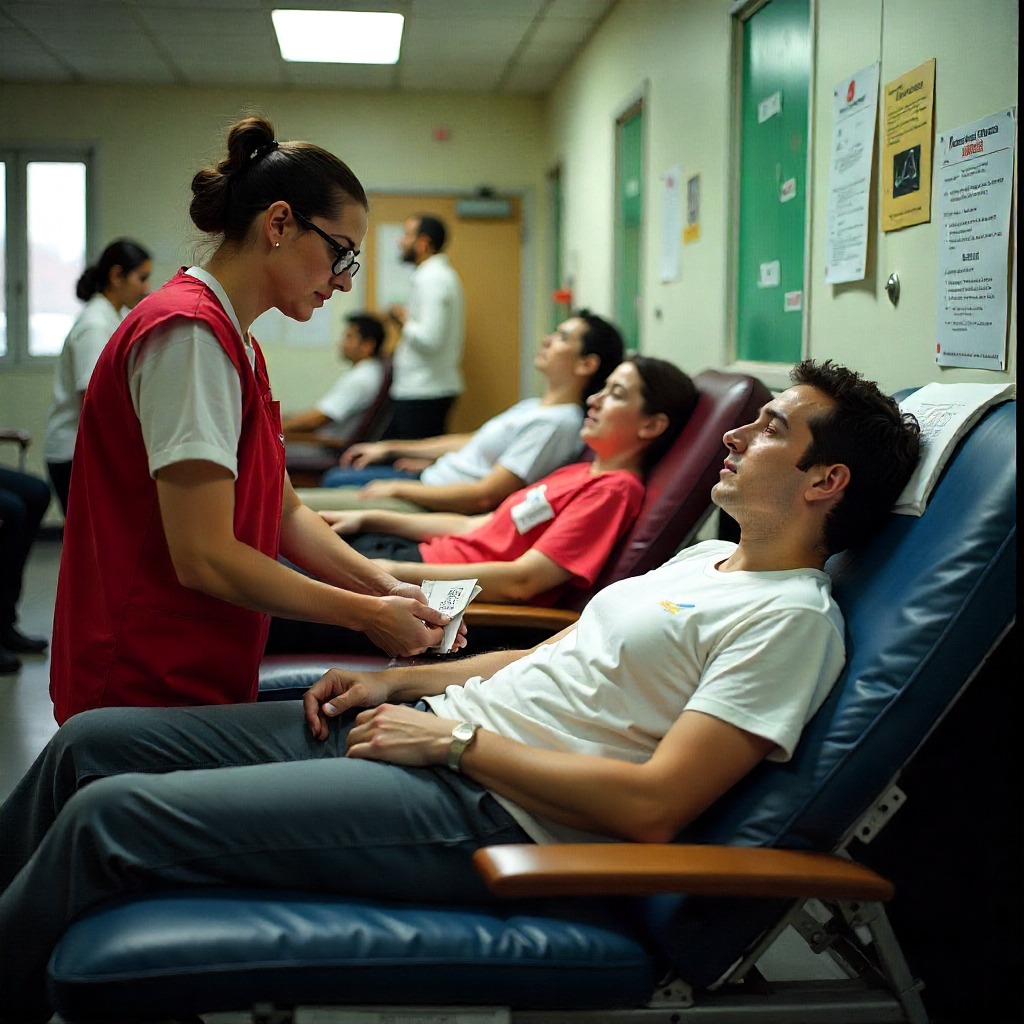
An organised volunteer network plays a vital role in bringing together people who are ready to donate blood and patients who are in urgent need of it. During medical emergencies, planned surgeries, accidents, or critical treatments, the availability of blood at the right time can mean the difference between survival and loss. By coordinating efforts between donors, hospitals, and patient families, these volunteer groups help reduce confusion, save time, and ensure faster support when every minute matters.
Life Saver Army works with this very purpose, focusing on timely communication and community-driven support. Instead of relying only on traditional systems, it creates a bridge where willing donors can be reached quickly and guided effectively. This approach helps prevent last-minute panic and supports hospitals during moments of high demand.
Beyond emergency response, Life Saver Army also strengthens trust within communities. Volunteers come forward with compassion, not for recognition or reward, but out of a sense of responsibility toward others. Their presence becomes especially crucial during blood shortages or when patients require rare blood groups that are difficult to arrange on short notice. Through consistent involvement and awareness, Life Saver Army helps build a dependable support system where people know help is always within reach.
Understanding the Role of a Blood Donation Volunteer Service
Effective volunteer-led blood support depends heavily on fast coordination and clear communication. When emergencies arise, donors must be informed at the right moment and guided properly so they can help without confusion or risk. A well-structured system simplifies the entire process, making it easier for people to respond quickly and confidently when someone’s life is at stake.
Life Saver Army follows this approach by using timely alerts and organized volunteer assistance to ensure help reaches those in need as fast as possible. Instead of relying on slow or uncertain methods, it builds a dependable network where individuals are contacted based on urgency and location. Along with emergency response, Life Saver Army also encourages awareness around safe donation practices and the importance of donating regularly. This balance of speed, responsibility, and community support helps create a culture where people are prepared to act when it truly matters.
Pro Tips
- Complete Your Volunteer Registration Carefully
Accurate details like blood group, location, and contact number help requests reach the right person quickly. Keeping information updated improves response time and avoids confusion during emergencies. - Stay Alert and Responsive
Emergency requests often require quick action. Keeping your phone accessible and notifications active allows you to respond without delay when help is needed most. - Understand Donation Eligibility Rules
Knowing basic health requirements protects both donor and patient. Awareness ensures volunteers connected through a blood donation volunteer service do not rush into donation when they are not medically fit. - Maintain Clear Communication
Respond honestly about availability and timing. Clear communication helps coordinators plan better and avoid last-minute complications. - Encourage Responsible Volunteering
Volunteering is not about pressure. Encourage others to join only when they are informed and willing, ensuring safety and long-term participation. - Promote the Blood Donation Volunteer Organisation Locally
Community awareness strengthens the volunteer network. Sharing information within social circles increases the chances of finding donors quickly. - Prepare Physically Before Donating
Proper hydration, rest, and meals before donation improve the experience and reduce discomfort. Prepared donors are more confident and consistent. - Support Beyond Donating Blood
If you cannot donate, help with coordination, spreading awareness, or emotional support for patients’ families. Every role matters. - Respect Privacy and Sensitivity
Handle patient and donor information with care. Trust is the foundation of any life-saving volunteer network. - Stay Committed Long Term
Consistency matters more than one-time action. Regular involvement builds reliability and strengthens emergency response systems.
Frequently Asked Questions
1. Why is a blood donation volunteer organisation important during emergencies?
They help reduce delays when patients urgently need blood. Volunteers enable faster coordination between donors and medical facilities. Their timely response can make the difference between life and loss. Community-driven efforts strengthen emergency healthcare support.
2. Who can become a volunteer?
Anyone willing to help can volunteer. Donors must meet health requirements, while others can support coordination or awareness. Volunteering is open to people with different skills. Commitment and responsibility are the most important qualities.
3. Is donating blood safe for regular volunteers?
Yes, when done following medical guidelines. Trained professionals monitor the process carefully. Adequate recovery time is always recommended. Safety remains the top priority.
4. What if I receive a request but cannot donate?
You can still assist by sharing the request or helping find another donor through a blood donation volunteer service. Informing coordinators early avoids delays, and every form of support counts during emergencies.
5. How often should volunteers stay active?
Volunteers should stay updated and available as per their health and schedule. Regular engagement improves response efficiency. Even periodic participation strengthens the network.
Conclusion
Being part of a blood donation volunteer organisation means choosing compassion over comfort and action over hesitation. While challenges like urgent calls and emotional situations exist, the reward of saving lives is unmatched. A reliable blood donation volunteer service depends on committed individuals who act responsibly and consistently. By staying informed, prepared, and engaged, volunteers help build a stronger, life-saving community that truly makes a difference.
