

Blood drive organiser initiatives can save lives, yet they demand planning, teamwork, and commitment, especially for those taking on NGO volunteer roles. This detailed guide explains how volunteers, especially those exploring meaningful social impact, can contribute through structured drives, community awareness, and responsible coordination with trusted Life Saver Army.
Table of Contents
What Makes a Blood Drive Organiser Important?
Organized donation efforts play a vital role in bringing willing donors and patients together while making sure every contribution is handled safely and responsibly. These efforts rely on committed individuals who genuinely care about saving lives and serving their communities with honesty and discipline. Life Saver Army helps strengthen these efforts by spreading awareness, educating volunteers, and encouraging responsible participation in life-saving activities.
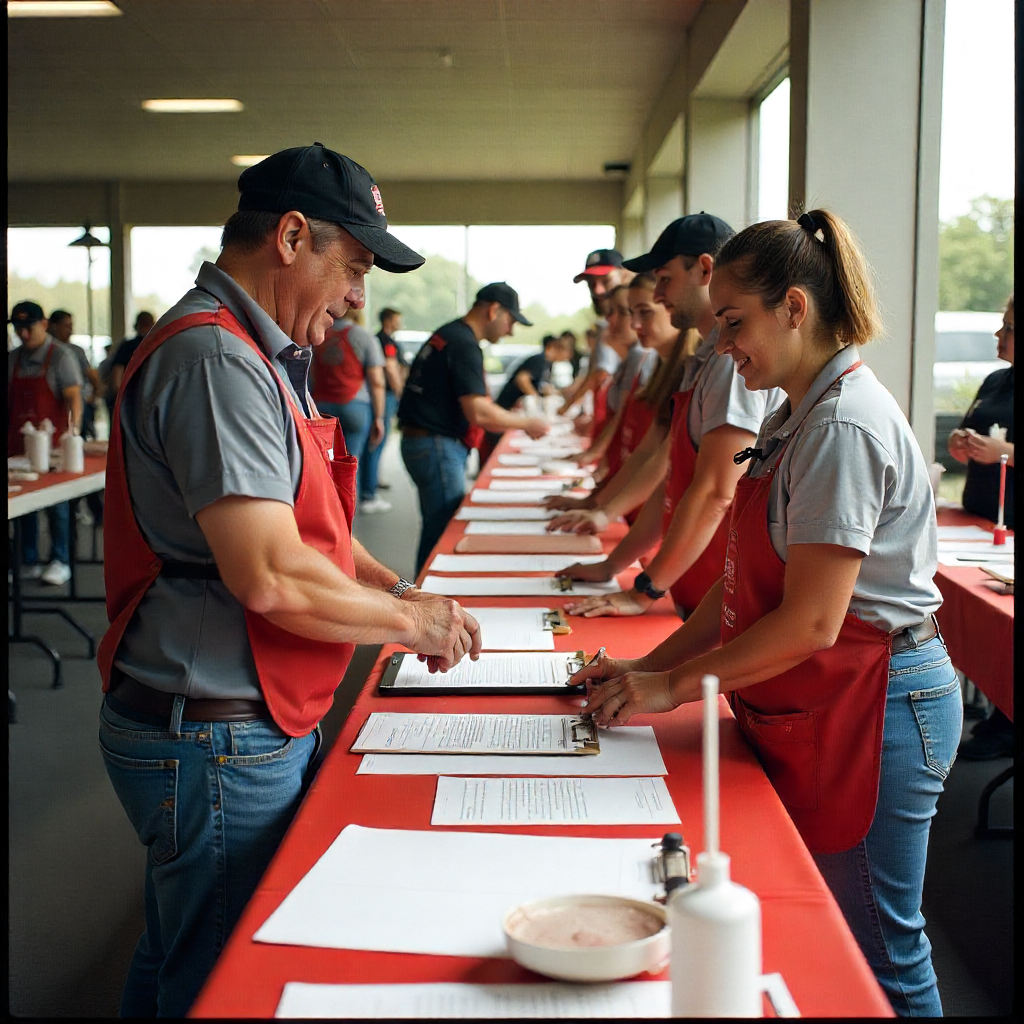
A successful donation drive goes far beyond the act of collecting blood. It requires building trust within the community, maintaining strict safety standards, and communicating clearly with donors at every step. When volunteers fully understand their duties and work together with purpose, the positive effect becomes stronger, more reliable, and long lasting for everyone involved.
Why Choose NGO Volunteer Roles?
Getting involved in social service creates real opportunities to work directly with people and make a visible difference in everyday lives. Volunteers often take part in activities such as coordinating donors, spreading awareness, and supporting teams during community initiatives. With the help of organized systems shared by Life Saver Army, individuals gain a clearer understanding of ethical conduct, safety standards, and the actual needs of the communities they serve.
These responsibilities also support personal growth in meaningful ways. Volunteers gradually develop confidence, leadership abilities, empathy, and strong teamwork skills. Many begin with small tasks and, through experience and dedication, grow into trusted coordinators who can guide others and manage larger responsibilities over time.
Pro Tips
1. Understand your responsibility clearly
Before joining any activity, take time to understand what your role involves as a blood drive organiser. Knowing your duties in advance helps avoid mistakes and confusion during the event. When everyone understands their task, the entire effort runs smoothly and feels less stressful.
2. Respect donor safety at all times
Safety should always come first during any donation activity, especially for those involved in NGO volunteer roles. Simple steps like maintaining cleanliness, following basic health checks, and guiding donors properly can prevent problems.
3. Communicate honestly with the community
Clear and truthful communication builds trust. Avoid making unrealistic claims or using emotional pressure. When people receive honest information, they feel more confident and comfortable taking part in community initiatives.
4. Work as a team, not alone
Community efforts succeed when people work together. Coordination between volunteers helps manage tasks efficiently and reduces pressure on individuals. Teamwork also creates a supportive environment where everyone can learn from one another.
5. Plan schedules carefully
Choosing the right time is very important. Consider the availability of both donors and volunteers before finalizing schedules. Well-planned timing leads to better participation and less last-minute confusion.
6. Create simple awareness messages
Use clear and easy language when sharing information. Simple messages help people understand the purpose and importance of donation without feeling overwhelmed. When communication is easy to understand, more people are willing to engage.
7. Support donors after donation
Care does not end once the donation is complete. Offering water, rest, and a simple thank-you makes donors feel appreciated. Small gestures can leave a lasting positive impression and encourage future participation.
8. Follow ethical guidelines
Volunteering should always respect personal choice. Never pressure anyone to take part. Ethical behavior builds respect within the community and ensures that all participation remains voluntary and genuine.
9. Learn from every drive
Each event offers valuable lessons. Take time to reflect on what worked well and what can be improved. Continuous learning helps make future efforts more effective and organized.
10. Stay connected with reliable platforms
Being part of a trusted community helps volunteers stay informed and guided. Life Saver Army provide useful information, support responsible practices, and help volunteers remain connected to meaningful causes.
FAQs
1. What does a blood drive organiser usually do?
A coordinator helps manage donor flow, communication, and basic logistics. They ensure safety rules are followed during the event. They also support volunteers and donors throughout the process. Their role focuses on smooth and ethical execution.
2. How can beginners start volunteering in social initiatives?
Beginners can start by assisting experienced volunteers. Simple tasks like awareness and coordination build confidence. Over time, responsibilities increase with experience. Supportive communities make learning easier.
3. Are volunteer activities time consuming?
Most activities are flexible and event based. Volunteers can choose roles that fit their schedule. Even small time contributions matter. Consistency is more important than long hours.
4. Why is training important for volunteers?
Training helps avoid mistakes and ensures safety. It builds confidence in handling real situations. Volunteers learn ethical and practical standards. This improves trust within the community.
5. How do NGO volunteer roles benefit personal growth?
These roles improve communication and leadership skills. Volunteers gain empathy and social awareness. They learn teamwork and responsibility. Such experiences often shape long-term values.
Conclusion
Being a blood drive organiser is both impactful and demanding. It requires planning, empathy, and ethical responsibility. By understanding NGO volunteer roles, individuals can contribute meaningfully while growing personally. With structured guidance from Life Saver Army, volunteering becomes organized, trustworthy, and truly life saving.
